
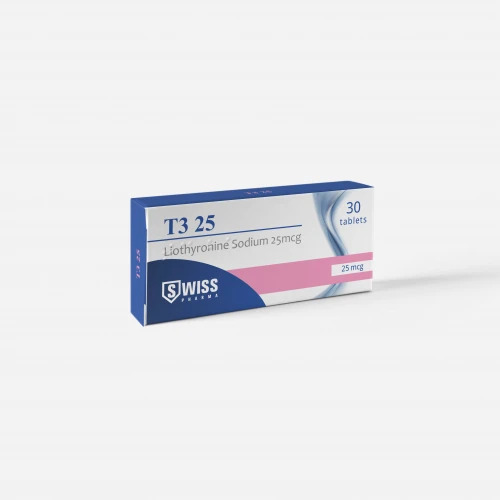
T3 25 SWISSPHARMA 25mcg – 30 Tablets: Understanding Liothyronine Sodium
Product Overview, Thyroid Hormone Function, and Important Safety Information
Introduction to T3 25 SWISSPHARMA
T3 25 SWISSPHARMA 25mcg – 30 Tablets is a product listing identified by the name SWISSPHARMA and associated with liothyronine sodium, a synthetic form of the thyroid hormone triiodothyronine (T3). The listed product details indicate a strength of 25 micrograms per tablet and a package containing 30 tablets. The exact formulation, manufacturer identity, product authenticity, and regulatory status should be confirmed through the original packaging and reliable product documentation.
Liothyronine is a thyroid hormone medicine that affects several essential processes in the human body, particularly energy use and metabolic activity. Because thyroid hormones influence multiple organ systems, treatment with liothyronine requires appropriate medical assessment and supervision. A product listing alone does not establish whether a particular preparation is authorised, suitable for an individual, or manufactured to verified quality standards.
Product Details and Composition
Product name: T3 25 SWISSPHARMA
Stated strength: 25 micrograms (mcg) per tablet
Listed pack size: 30 tablets
Named active ingredient: Liothyronine sodium
Product category: Thyroid hormone preparation, subject to verification of the actual formulation
The strength of 25mcg refers to 25 micrograms, not 25 milligrams. One milligram equals 1,000 micrograms, making the distinction between these units especially important when interpreting thyroid hormone products. The original label should be checked to confirm how the strength is expressed and whether it refers to the active substance or another formulation-specific measurement.
The product name and stated specifications provide an initial identification reference, but they do not independently verify the contents of the tablets. The packaging, batch information, expiry date, manufacturer documentation, and applicable regulatory details should be reviewed before the product's identity is considered established.
Understanding Liothyronine Sodium
Liothyronine sodium is a synthetic form of T3, one of the principal hormones associated with thyroid function. The thyroid gland produces hormones that help regulate how the body uses energy and maintains normal physiological activity.
T3 is biologically active and influences various tissues, including those involved in cardiovascular function, temperature regulation, digestion, and energy metabolism. The body produces some T3 directly in the thyroid gland and obtains additional T3 through the conversion of thyroxine, also known as T4.
Liothyronine medicines provide a pharmaceutical form of this hormone. Their clinical use depends on the patient's diagnosis, laboratory findings, treatment history, and the prescribing professional's assessment. The presence of the ingredient name in a product description should not be interpreted as proof that the specific product has been independently verified.
The Role of Thyroid Hormones in the Body
Thyroid hormones contribute to normal metabolic activity and help regulate the way cells use oxygen and energy. They also influence body temperature, heart rate, gastrointestinal activity, and several aspects of growth and tissue function.
When thyroid hormone levels are too low, a person may experience fatigue, sensitivity to cold, constipation, dry skin, or difficulty concentrating. These symptoms can occur for different reasons and require appropriate clinical evaluation rather than diagnosis based on symptoms alone.
Excessive thyroid hormone activity can cause a different pattern of effects, including sweating, tremors, nervousness, heat intolerance, palpitations, and unintended weight loss. The balance of thyroid hormones is therefore important for normal physiological function.
Although T3 is involved in metabolism, liothyronine is not a general-purpose energy enhancer or a routine weight-management product. Its use without an appropriate medical indication can disrupt normal hormone regulation and lead to serious complications.
Medical Context and Prescribing Considerations
Liothyronine may be prescribed in selected clinical circumstances involving thyroid hormone management. The decision to use it depends on the underlying condition, the availability of suitable treatment alternatives, the patient's medical history, and the applicable prescribing guidance.
Liothyronine and levothyroxine are different medicines. Levothyroxine provides synthetic T4, which the body can convert into T3 as required. Liothyronine provides T3 directly. Their pharmacological properties and effects differ, so they should not be substituted for one another without professional guidance.
Assessment may include thyroid-stimulating hormone (TSH), free thyroxine (FT4), and other investigations when appropriate. Test results must be interpreted in context because the correct monitoring approach depends on the condition being treated and the medicine prescribed.
The stated strength and package size of T3 25 SWISSPHARMA do not establish an appropriate dose or treatment schedule. Only a qualified prescribing professional can determine whether liothyronine is indicated and how treatment should be managed.
Safety Profile and Possible Adverse Effects
Liothyronine affects several organ systems, making careful monitoring important. Excessive thyroid hormone exposure may cause a rapid heartbeat, palpitations, tremors, sweating, anxiety, irritability, headaches, sleep disturbances, or gastrointestinal symptoms such as diarrhoea.
In some circumstances, excessive exposure can contribute to significant cardiovascular complications, including abnormal heart rhythms. Prolonged overtreatment may also increase bone loss and the risk of osteoporosis, particularly in susceptible individuals.
People with existing heart conditions or other relevant medical concerns may require additional assessment before treatment. Other factors, including pregnancy, age, and concurrent medicines, may influence clinical decisions.
Chest pain, fainting, severe breathlessness, or a sustained rapid or irregular heartbeat requires urgent medical attention. No medicine should be considered safe solely because it is described as a particular strength or because immediate adverse effects have not occurred.
Drug Interactions and Monitoring
Some medicines and supplements can affect thyroid hormone treatment or the interpretation of thyroid function tests. Calcium and iron supplements, for example, can interfere with the absorption of certain oral thyroid medicines when taken together. Appropriate separation and administration instructions depend on the specific medicine and should be confirmed with a pharmacist or prescribing professional.
Other medicines may alter the body's response to thyroid hormones or affect cardiovascular function. People taking medicines for diabetes, heart conditions, or other chronic illnesses should disclose their complete medication list during a clinical assessment.
Monitoring may be necessary after treatment begins or when a prescribed regimen changes. The timing of follow-up appointments and laboratory tests depends on the patient's circumstances and the treatment objective. Patients should not independently start, stop, increase, decrease, or replace thyroid hormone medication.
Storage and Handling Information
T3 25 SWISSPHARMA should be handled according to the verified manufacturer's instructions if the product's identity and documentation are confirmed. Medicines generally need protection from unsuitable temperatures, excessive moisture, and other storage conditions that may affect their quality.
Keep tablets in their original packaging when appropriate, check the expiry date, and store them securely away from children. Do not use tablets if the packaging is damaged, the label is unclear, the expiry date has passed, or there are concerns about the product's authenticity.
The manufacturer name, batch number, active ingredient, stated strength, and relevant authorisation details should be checked against reliable documentation. The appearance of a package or tablet alone cannot confirm the quality or authenticity of a medicine.
Product Verification and Regulatory Considerations
The name SWISSPHARMA and the product description identify how this listing is presented, but they do not independently establish the legal manufacturer, country of origin, manufacturing standards, or regulatory approval of the specific product.
Medicine registration and supply requirements vary by country. Official product information and the relevant national medicines regulator can help establish whether a preparation is authorised for use in a particular location. A qualified pharmacist can also help review the packaging and clarify discrepancies in the stated ingredient or strength.
These checks are particularly important for thyroid hormone products because inaccurate ingredient information or strength labelling can have significant health implications.
Conclusion
T3 25 SWISSPHARMA 25mcg – 30 Tablets Online Poland is described as a liothyronine sodium product containing a stated strength of 25 micrograms per tablet, with 30 tablets listed per package. Liothyronine is a synthetic form of the active thyroid hormone T3 and has important effects on metabolic activity and other physiological processes.
The stated specifications should be treated as listing information until confirmed against reliable product documentation. Appropriate medical assessment, professional prescribing, and suitable monitoring are essential considerations when evaluating thyroid hormone treatment. Confirming the actual ingredients, strength, authenticity, and regulatory status is an important step in understanding this product responsibly.
T3 25 SWISSPHARMA 25mcg 30tab Liothyronine Sodium
- Brand: SWISSPHARMA
- Product Code: T3
- Availability: In Stock
-
$40.32