
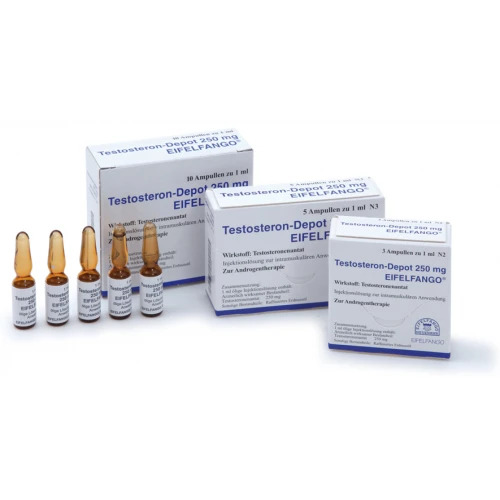
Testosterone Depot 250 mg Injection by Eifelfango: Uses, Safety, and Key Considerations
A practical guide to understanding this prescription testosterone medicine
Testosterone Depot 250 mg Injection by Eifelfango Online Poland is a prescription medicine containing testosterone, a hormone involved in male sexual development, reproductive function, muscle and bone maintenance, and the production of red blood cells. Because it is a long-acting injectable treatment, it should be used only after assessment by a qualified healthcare professional. The right treatment depends on a confirmed medical need, individual health factors, and ongoing monitoring—not simply on symptoms or a desire to improve strength or appearance.
What the medicine contains and how it works
The product is a depot injection: testosterone is released gradually from the injection site rather than entering and leaving the bloodstream all at once. The exact formulation and duration of action depend on the product’s approved information in the country where it is supplied. Check the package leaflet and product label for the active ingredient, concentration, authorized route, and storage instructions.
Testosterone replacement may be prescribed for certain forms of hypogonadism, in which the body does not produce enough testosterone because of a medical condition affecting the testes or the hormonal signals that regulate them. A clinician generally considers symptoms alongside laboratory results. One test alone, especially if taken at an unsuitable time or during illness, may not be enough to establish a diagnosis.
Symptoms that can prompt an assessment include reduced sexual desire, erectile difficulties, low energy, reduced muscle mass, low bone density, or changes in mood. These symptoms can also have other causes, such as sleep problems, stress, medication effects, thyroid conditions, or other illnesses. Testosterone treatment is not a general-purpose remedy for tiredness, aging, infertility, or athletic performance.
Why medical assessment matters
Before treatment begins, a healthcare professional should review the reason for therapy, relevant medical history, medicines and supplements, and any potential risks. Depending on the person and local guidance, assessment may include testosterone measurements and checks related to blood count, prostate health, cardiovascular risk, liver function, or other conditions.
Tell the prescriber if you have or have had prostate or breast cancer, urinary difficulties, an enlarged prostate, sleep apnoea, heart or blood-vessel disease, high blood pressure, a history of blood clots, or a condition that raises red blood cell levels. Also mention plans to have children. Testosterone therapy can reduce sperm production and may impair fertility while it is being used; it is not a treatment for male infertility.
Do not use someone else’s injection, share your medicine, or obtain it from an unverified source. Products with similar names may differ in ingredients, concentration, or instructions. If the package is damaged, the solution looks unusual, or the label does not match the prescription, ask a pharmacist before use.
Administration and dosing
The prescribed dose and interval must be set by the treating clinician. They can vary according to the specific product, diagnosis, blood-test results, response, and side effects. This guide cannot determine an individual dose. Do not inject more often, use a larger amount, or change the schedule without medical advice.
Depot testosterone injections are commonly administered by a trained healthcare professional using the route specified in the product leaflet. The injection technique matters: incorrect administration can cause injury, infection, or other complications. Do not attempt a self-injection unless your clinician has specifically approved it, provided appropriate training, and confirmed that it is suitable for this formulation.
If you miss an appointment or scheduled dose, contact the clinic for instructions. Do not double the next dose to make up for a missed one. Keep a record of injection dates and attend follow-up appointments, even when you feel well.
Possible side effects
Side effects vary from person to person. They may include acne or oily skin, changes in sexual interest, fluid retention, weight changes, injection-site pain, or changes in mood. Testosterone can also affect blood pressure, cholesterol, red blood cell levels, and the prostate. Some effects may be more likely with higher exposure or prolonged treatment, which is one reason regular review is important.
Seek urgent medical help for signs of a severe allergic reaction, such as difficulty breathing or swelling of the face or throat. Promptly contact a clinician if you develop chest pain, sudden shortness of breath, one-sided leg swelling or pain, severe headache, sudden weakness, or vision or speech changes. These symptoms can have serious causes and should not be dismissed as routine treatment effects.
Report persistent trouble urinating, blood in the urine, marked swelling, worsening sleep-related breathing problems, or significant changes in mood. A healthcare professional can assess whether a symptom is related to treatment and whether testing or a change in care is needed.
Monitoring during treatment
Testosterone therapy requires follow-up. Your clinician may review symptoms and treatment goals, check testosterone levels at an appropriate point in the dosing cycle, and monitor blood counts and other health markers. Prostate assessment may be considered according to age, personal risk, symptoms, and local recommendations. The monitoring plan should be tailored rather than assumed to be the same for everyone.
Follow-up helps ensure that treatment is addressing a confirmed deficiency without causing excessive hormone levels or avoidable complications. If the original symptoms do not improve, tell your clinician rather than increasing the dose yourself. They may reconsider the diagnosis, check how the medicine is being used, or explore other causes.
Storage and responsible use
Follow the storage conditions printed on the carton and leaflet, and keep the medicine out of reach of children. Do not use it after the expiry date. Ask a pharmacist how to dispose of unused medicine, needles, or packaging safely; do not place sharps loose in household rubbish.
Testosterone is a controlled or prescription-only medicine in many places. Using it without a medical indication can expose you to harm, and using it to enhance athletic performance may violate sporting rules. Avoid combining it with other hormone products, bodybuilding drugs, or supplements unless a clinician has reviewed them. Tell every healthcare professional involved in your care that you are receiving testosterone.
The bottom line
Eifelfango Testosterone Depot 250 mg Injection is a prescription hormone treatment intended for specific medical situations, not a general energy or muscle-building product. Safe use depends on a confirmed diagnosis, the exact product instructions, clinician-directed administration, and regular monitoring. Read the package leaflet and follow the prescriber’s advice. If you are uncertain about the product, dose, injection schedule, side effects, or whether it is appropriate for you, consult a doctor or pharmacist before proceeding.
Testosterone Depot 250mg Injection Eifelfango
- Brand: EIFELFANGO
- Product Code: Testosterone
- Availability: In Stock
-
$60.48