
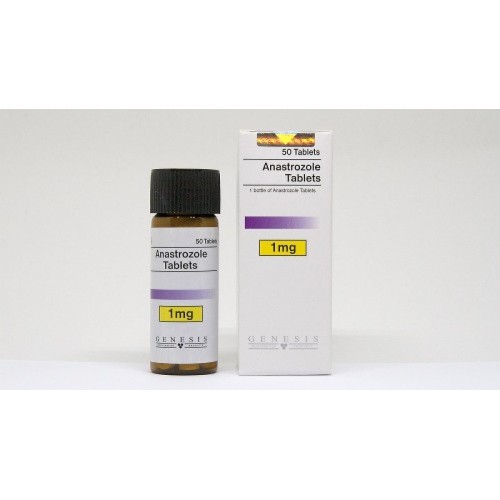
Anastrozol Tablets® 1 mg GENESIS: Product Overview, Medical Context, and Safety Information
Understanding Anastrozol Tablets® 1 mg GENESIS
Anastrozol Tablets® 1 mg GENESIS is a product name associated with anastrozole, a medicine belonging to the aromatase inhibitor class. Anastrozole is a prescription medicine primarily used in the treatment of certain types of hormone receptor-positive breast cancer in postmenopausal women. It works by reducing the production of estrogen, a hormone that can support the growth of some breast cancer cells.
The product name identifies the stated active ingredient, tablet form, strength, and manufacturer or brand designation. However, the exact composition, packaging, authorization status, and approved indications of a particular GENESIS product should be confirmed through its original packaging, official product documentation, and a qualified pharmacist. A product name alone does not establish that a specific medicine is approved or available for every market.
Active Ingredient and Pharmaceutical Classification
Anastrozole is classified as a non-steroidal aromatase inhibitor. Aromatase is an enzyme involved in converting certain androgens into estrogen. In postmenopausal women, this process is an important source of estrogen production outside the ovaries.
By inhibiting aromatase, anastrozole lowers circulating estrogen levels. This action is relevant to hormone-sensitive breast cancer because some cancer cells rely on estrogen signals to grow and multiply. Reducing the availability of estrogen can help slow or limit the growth of these cells in appropriately selected patients.
The stated strength of Anastrozol Tablets® 1 mg GENESIS is 1 mg per tablet. This describes the labelled amount of the active ingredient and should not be confused with the total weight of the tablet or the quantity contained in an entire package. The actual ingredients and formulation should always be verified against the manufacturer's official information.
Medical Uses and Clinical Context
Anastrozole is used in specific breast cancer treatment settings under medical supervision. Depending on the patient's diagnosis and the applicable prescribing guidelines, it may be prescribed as adjuvant treatment following surgery, as treatment for advanced breast cancer, or in other approved treatment settings involving hormone receptor-positive disease.
The suitability of anastrozole depends on several factors, including menopausal status, cancer characteristics, previous treatment, other medical conditions, and the patient's overall treatment plan. It is not appropriate for every type of breast cancer, and it does not replace diagnostic testing or specialist assessment.
Anastrozole is generally intended for postmenopausal women in its established breast cancer indications. It is not ordinarily used as a substitute for estrogen-lowering treatments in every hormonal condition. Its use in other circumstances requires a specialist to assess the evidence, risks, and legal prescribing requirements.
The medicine is not intended for unsupervised use for bodybuilding, performance enhancement, cosmetic purposes, or general hormone manipulation. Lowering estrogen unnecessarily can cause significant health problems, even when a medicine is taken in tablet form.
How Anastrozole Works in the Body
Estrogen is important for several normal physiological functions, including maintaining bone strength and supporting aspects of reproductive and cardiovascular health. However, estrogen can also stimulate the growth of certain hormone-sensitive breast cancer cells.
Anastrozole inhibits the aromatase enzyme, reducing the conversion of androgens into estrogen. This results in lower estrogen levels and reduces hormonal stimulation of susceptible cancer cells. The treatment's effectiveness depends on whether the disease is sensitive to estrogen and whether the medicine is appropriate for the individual's clinical circumstances.
Because estrogen has beneficial functions in the body, reducing its levels can also produce unwanted effects. These may include joint discomfort, hot flushes, vaginal dryness, and loss of bone mineral density. The balance between potential benefits and risks must therefore be reviewed throughout treatment.
Strength, Tablet Form, and Packaging Information
The designation “1 mg” refers to the labelled strength of each tablet. Before using a product labelled Anastrozol Tablets® 1 mg GENESIS, patients and healthcare professionals should verify the medicine's name, active ingredient, strength, manufacturer, batch number, expiry date, and storage instructions.
Packaging should be intact and display clear, consistent information. Differences in spelling, labelling, tablet appearance, or package design should be checked with a pharmacist rather than treated as proof that a product is genuine or equivalent to another formulation.
The number of tablets in a package should be established from the actual label. It should not be assumed from the product name alone. Similarly, the presence of a manufacturer's name does not independently confirm regulatory approval, quality, or authenticity.
Dosage and Administration Considerations
The appropriate dose and duration of anastrozole depend on the diagnosis and the treatment plan established by the prescribing clinician. Although the medicine is commonly prescribed at a daily dose of 1 mg for certain approved breast cancer indications, this information is not a personal dosing recommendation.
Patients should follow the prescription and the instructions supplied with their specific medicine. Tablets should be taken as directed, and treatment should not be started, stopped, or modified without consulting the treating healthcare professional.
If a dose is missed, patients should follow the instructions provided by their clinician or patient information leaflet. Taking extra tablets to compensate for a missed dose may increase the risk of adverse effects. Suspected overdose requires prompt medical advice.
Possible Side Effects
Like other prescription medicines, anastrozole can cause side effects. Commonly reported effects include hot flushes, joint pain or stiffness, tiredness, headache, nausea, skin rash, and vaginal dryness. The type and severity of symptoms vary between individuals.
Reduced estrogen levels can also contribute to bone thinning and an increased risk of osteoporosis or fractures. Healthcare professionals may recommend bone health assessments, particularly when treatment is expected to continue for an extended period or when additional risk factors are present.
Some patients may experience changes in cholesterol levels or other laboratory measurements. Regular follow-up helps clinicians assess treatment tolerance and identify problems that may require further investigation.
Severe allergic reactions, significant skin reactions, or new symptoms that could indicate a serious complication require urgent medical assessment. Patients should seek emergency assistance for symptoms such as difficulty breathing or swelling of the face or throat.
Contraindications, Precautions, and Drug Interactions
Anastrozole may not be suitable for people with certain allergies, medical conditions, or treatment circumstances. It is generally not indicated for premenopausal women in its established breast cancer uses. It should not be used during pregnancy, and pregnancy-related precautions must be discussed with a healthcare professional when relevant.
Medicines containing estrogen may interfere with the intended action of anastrozole. Tamoxifen can also affect anastrozole's pharmacological effect when used together, so concurrent treatment should only occur when specifically directed by a specialist. Patients should provide a complete list of prescription medicines, non-prescription products, and supplements to their healthcare professional.
People with liver or kidney problems, osteoporosis, cardiovascular risk factors, or other significant medical conditions should discuss their circumstances before treatment. Individual risk assessment is particularly important because reduced estrogen levels can affect bone health and other body systems.
Storage and Responsible Handling
Anastrozol Tablets® 1 mg GENESIS should be stored according to the instructions on its original packaging. Patients should keep the tablets in their original container when appropriate, protect them from unsuitable temperatures and moisture, and keep them out of the reach of children.
Medicines should not be used beyond the printed expiry date or when the packaging appears damaged, altered, or improperly sealed. Unused or expired tablets should be disposed of in accordance with local pharmacy or medicine-disposal guidance rather than shared with another person.
Product Verification and Regulatory Considerations
The identity of a medicine is only one part of determining its suitability for use. The country in which it is supplied, its marketing authorization, the manufacturer's documentation, and the applicable prescription requirements all matter.
For Anastrozol Tablets® 1 mg GENESIS, the product label and available documentation should be checked to establish the exact formulation and applicable authorization status. If the product is being evaluated in Germany, Poland, or another European market, its legal status should be verified through the relevant national medicines authority or a licensed pharmacy. Authorization in one country does not automatically establish authorization in another.
Consumers should be cautious of products with incomplete labels, unverifiable manufacturer details, unclear ingredients, or claims that promise guaranteed results. A pharmacist can help assess product documentation and determine whether the medicine is appropriate for the prescription.
Conclusion
Anastrozol Tablets® 1 mg GENESIS Online Poland is a product designation associated with anastrozole; a non-steroidal aromatase inhibitor used in specific hormone-sensitive breast cancer treatment settings. Its principal pharmacological action is to reduce estrogen production by inhibiting the aromatase enzyme.
Understanding the stated strength, intended medical context, potential adverse effects, contraindications, and packaging details is essential when evaluating this product. Because lowering estrogen can have important effects on bone health and other physiological functions, anastrozole should be used only under appropriate medical supervision. Confirming the product's identity and regulatory status with reliable
Anastrozol Tablets® 1mg GENESIS
- Brand: Genesis
- Product Code: Anastrozole
- Availability: In Stock
-
$71.68