
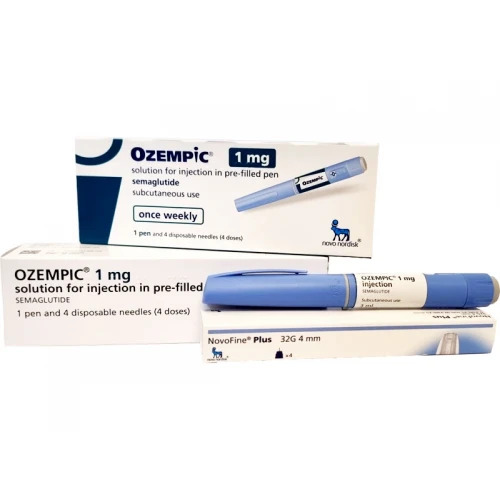
Ozempic 1 mg Pen Solution for Injection by Novo Nordisk: Product Overview and Safety Guide
Introduction to Ozempic 1 mg Pen by Novo Nordisk
Ozempic 1 mg Pen Solution for Injection by Novo Nordisk is a prescription medicine containing semaglutide, an active ingredient used in the management of type 2 diabetes. It belongs to a group of medicines known as GLP-1 receptor agonists, which help regulate blood glucose levels through several mechanisms in the body.
Ozempic has become an important treatment option for eligible adults with type 2 diabetes when prescribed as part of an individualized diabetes management plan. Alongside medication, healthy eating habits, regular physical activity, and appropriate medical monitoring remain important parts of long-term care.
The 1 mg pen presentation is designed to deliver a prescribed dose of semaglutide through a subcutaneous injection, meaning an injection under the skin. However, the exact pen configuration, available doses, and instructions should always be confirmed using the official product packaging and patient information supplied for the specific market.
Understanding how Ozempic works, what it is intended to treat, and which precautions apply can help patients have more informed conversations with their healthcare professionals.
What Is Ozempic 1 mg?
Ozempic Online Poland is a branded prescription medicine developed by Novo Nordisk. Its active ingredient, semaglutide, acts on GLP-1 receptors involved in the regulation of blood glucose and appetite.
Ozempic is primarily indicated for type 2 diabetes management in eligible patients. Depending on the applicable product authorization, it may also have specific indications relating to reducing certain cardiovascular or kidney-related risks in selected adults with type 2 diabetes.
It is important to distinguish Ozempic from other medicines containing semaglutide. Although the active ingredient may be the same, different products can have different approved indications, strengths, dosing schedules, and delivery systems.
The 1 mg strength refers to the prescribed amount of semaglutide delivered per dose, according to the relevant pen instructions. It does not necessarily describe the total amount of medicine contained in the pen.
How Does Semaglutide Work?
Semaglutide Online Poland imitates the activity of a naturally occurring hormone called glucagon-like peptide-1, or GLP-1. This hormone participates in several processes that help the body respond to food and regulate blood glucose.
One of semaglutide's main actions is to support insulin release when blood glucose levels are elevated. It also reduces glucagon secretion in a glucose-dependent manner. Glucagon is a hormone that can increase blood glucose by signalling the liver to release stored glucose.
Semaglutide can also slow stomach emptying, particularly during treatment initiation, and influence appetite and feelings of fullness. These effects help explain its role in diabetes care and why changes in appetite or digestive symptoms may occur during treatment.
The medicine does not replace the body's need for an appropriate diabetes management plan. Its benefits depend on individual health circumstances, correct use, and ongoing clinical assessment.
Key Features of Ozempic 1 mg Pen
The product is identified by the following general details:
- Brand name: Ozempic
- Manufacturer: Novo Nordisk
- Active ingredient: Semaglutide
- Strength: 1 mg per prescribed dose, subject to the specific pen instructions
- Dosage form: Solution for injection
- Administration: Subcutaneous injection
- Product category: Prescription medicine for type 2 diabetes management
The pen is a delivery device intended to make administration of the prescribed medicine more practical. Patients should check the packaging for the exact pen presentation, concentration, total contents, compatible needles, and permitted dose settings.
Packaging and presentations may vary between countries. Therefore, information from another market should not be used as a substitute for the instructions provided with the actual product.
Medical Uses and Potential Benefits
Ozempic is prescribed primarily to help manage type 2 diabetes in appropriate patients. Depending on the individual's medical history and the applicable authorization, treatment may provide several potential benefits.
Blood glucose management: It may be incorporated into a treatment plan that includes dietary changes, physical activity, and other diabetes medicines when appropriate.
Cardiovascular risk management: Certain approved uses of Ozempic include reducing the risk of major cardiovascular events in eligible adults with type 2 diabetes and established cardiovascular disease. Eligibility depends on the approved product information and individual medical circumstances.
Kidney-related outcomes: In some jurisdictions, specific indications include reducing the risk of certain kidney-related outcomes in eligible adults with type 2 diabetes and chronic kidney disease. Patients should consult the locally approved prescribing information to determine whether this indication applies.
Appetite and body weight: Semaglutide may affect appetite and food intake, and some patients experience weight reduction during treatment. However, Ozempic should be used according to its authorized indications rather than treated as a substitute for a medicine specifically approved for weight management.
Results vary from person to person. No particular outcome can be guaranteed, and treatment decisions should be based on clinical needs rather than promotional claims.
How Is Ozempic Administered?
Ozempic is administered as a subcutaneous injection. Depending on the prescribed regimen, injections are generally given once a week, on the same day each week, according to the healthcare professional's instructions.
The injection may be administered in an approved area such as the abdomen, thigh, or upper arm. Patients should follow the official instructions for the specific pen and receive practical training from a healthcare professional if needed.
The prescribed dose should not be increased, reduced, or changed without medical guidance. Patients should also avoid combining different semaglutide products unless specifically directed by their healthcare professional.
If a dose is missed, the appropriate action depends on the time elapsed and the instructions in the official patient leaflet. Patients should consult those instructions or ask a pharmacist rather than guessing or taking an additional dose.
Possible Side Effects
Like other prescription medicines, Ozempic can cause side effects. Digestive symptoms are among the most commonly reported and may include:
- Nausea
- Vomiting
- Diarrhoea
- Constipation
- Abdominal discomfort
- Reduced appetite
These symptoms may be more noticeable when treatment begins or when the dose changes. Persistent vomiting or diarrhoea can lead to dehydration, which may affect kidney function.
Less common but potentially serious problems include pancreatitis, gallbladder disease, severe allergic reactions, and complications associated with dehydration. Hypoglycaemia, or low blood glucose, may be more likely when semaglutide is used with insulin or certain other diabetes medicines.
Patients should seek urgent medical attention for severe or persistent abdominal pain, serious allergic symptoms, or other signs of a significant adverse reaction. Any new or worsening symptoms should be discussed with a healthcare professional.
Important Precautions Before Treatment
Ozempic is not suitable for everyone. Before prescribing it, a healthcare professional should review the patient's medical history, current medicines, and relevant risk factors.
Special consideration may be necessary for people with a history of pancreatitis, gallbladder problems, severe gastrointestinal disease, or diabetic eye complications. Patients using insulin or sulfonylureas may need additional monitoring because of the risk of low blood glucose.
In the United States, Ozempic carries a boxed warning concerning thyroid C-cell tumours observed in rodents. It is contraindicated in people with a personal or family history of medullary thyroid carcinoma or multiple endocrine neoplasia syndrome type 2 under the US prescribing information. Patients should check the relevant local product information because regulatory wording and approved indications may differ between countries.
Ozempic should not be used during pregnancy for routine diabetes management without specialist guidance. Anyone who is pregnant, planning pregnancy, or breastfeeding should discuss the medicine with a healthcare professional before treatment.
Ozempic 1mg pen Solution for Injection novo nordisk
- Brand: Novo Nordisk
- Product Code: Ozempic
- Availability: In Stock
-
$390.88