
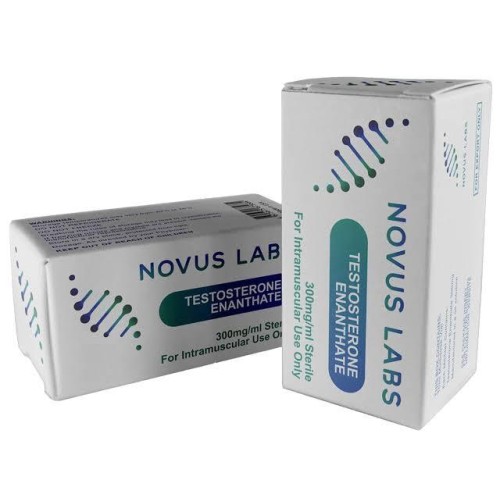
Testosterone Enanthate 300 mg by Novus Labs: A Clear, Responsible Product Overview
Testosterone Enanthate 300 mg by Novus Labs is presented as an injectable testosterone product containing testosterone enanthate, a long-acting ester of testosterone. The “300 mg” label typically refers to the stated concentration per milliliter, but the exact formulation, packaging, and labeling should always be checked on the product itself. Brand names and product claims alone do not confirm a medicine’s authenticity, quality, or suitability for an individual.
Testosterone is a naturally occurring hormone involved in several body functions, including sexual development, muscle and bone maintenance, red blood cell production, and aspects of mood and energy. Prescription testosterone products may be used under medical supervision for diagnosed conditions involving low testosterone. Treatment is not appropriate simply because someone wants faster muscle gain, improved sports performance, or a change in appearance.
What the product name means
Testosterone enanthate is testosterone attached to an enanthate ester. This ester alters how quickly the injected compound is absorbed and released. It does not make the hormone inherently safer or more effective than other forms. “300 mg” generally indicates the amount of testosterone enanthate in each milliliter of solution, not necessarily the amount in the entire vial. Because product presentations can differ, read the label carefully rather than relying on the name alone.
A concentration is not a dosing instruction. Safe dose and timing depend on the diagnosis, laboratory results, individual response, and the prescriber’s plan. Taking more than prescribed, shortening the interval between injections, or combining testosterone with other hormones or performance-enhancing drugs can increase risk.
Medical assessment comes first
Symptoms such as low energy, reduced libido, mood changes, or difficulty building muscle can have many causes. They do not, by themselves, establish testosterone deficiency. A clinician may assess symptoms, medical history, examination findings, and blood tests—often including appropriately timed testosterone measurements—before considering treatment. Other conditions, medications, sleep problems, and lifestyle factors may also need evaluation.
If testosterone therapy is prescribed, follow the instructions given by a qualified healthcare professional. Do not use a product obtained from an unverified seller or share it with another person. Injectable medicines also require proper handling and sterile technique; mistakes can lead to infection, injury, or contamination. A healthcare professional or pharmacist can explain safe administration and disposal of needles.
Potential benefits and limits
For someone with confirmed testosterone deficiency, medically supervised treatment may improve certain symptoms and bring hormone levels toward an appropriate range. The response varies, and improvement is not guaranteed. Treatment should be judged by both clinical symptoms and follow-up testing—not by the concentration printed on the vial or by short-term changes in body weight or strength.
Testosterone is not a general-purpose treatment for aging, fatigue, infertility, or athletic performance. In fact, external testosterone can suppress the body’s own hormone production and sperm production. Someone who wants to preserve fertility should discuss this before beginning therapy. Testosterone may also be unsuitable for people with particular health conditions or risk factors, which is why a full medical review matters.
Risks and side effects
Testosterone therapy can cause side effects, and some require prompt medical attention. Possible issues include acne or oily skin, fluid retention, breast tenderness, changes in sexual function, injection-site discomfort, and changes in mood. Testosterone can raise red blood cell levels, which may require laboratory monitoring and medical management. It can also affect blood pressure, cholesterol, and other health measures.
Some people may experience worsening of sleep apnea or urinary symptoms. Testosterone may affect the prostate, so people with prostate-related concerns should discuss appropriate assessment and monitoring with their clinician. A clinician can explain which symptoms need urgent evaluation and which tests are appropriate for an individual patient.
Seek immediate medical help for severe allergic symptoms, chest pain, sudden shortness of breath, fainting, one-sided weakness, or significant swelling and pain in a leg. If an injection site becomes increasingly painful, hot, red, or swollen, or you develop a fever, contact a healthcare professional promptly.
Authenticity and quality considerations
A product’s packaging, branding, or online listing cannot establish that it contains the stated ingredient or concentration. Products sold outside regulated pharmacy channels may have uncertain contents, sterility, storage conditions, or manufacturing standards. Counterfeit or contaminated injectables can pose serious risks, even when the packaging looks convincing.
Before using any testosterone product, verify that it was supplied through a legitimate, regulated healthcare pathway. Check the product name, concentration, batch details, expiry date, and packaging, and ask a pharmacist or prescriber if anything seems unclear. Do not use a vial with damaged packaging, an uncertain source, visible particles, discoloration, or signs of tampering. Follow the product’s official storage instructions; do not guess about refrigeration or temperature requirements.
Monitoring during treatment
Prescribed testosterone therapy usually calls for follow-up. Depending on the person and treatment plan, monitoring may include hormone levels, blood counts, blood pressure, and other health checks. These appointments help determine whether treatment is helping, whether the dose needs adjustment, and whether side effects or health risks are emerging. Do not change the dose or stop and restart treatment without discussing it with the prescriber.
Keep a record of the product used, prescribed schedule, symptoms, and any unwanted effects. Tell your clinician about all medications, supplements, and recreational or performance-enhancing substances you use. Combining substances can change risks and complicate monitoring.
The practical takeaway
Testosterone Enanthate 300 mg by Novus Labs should be approached as a medical product claim—not as a shortcut to enhanced performance. The labeled concentration does not prove authenticity, determine an appropriate dose, or guarantee a particular result. Testosterone treatment is best considered only after proper evaluation, obtained through a trustworthy regulated source, and managed with ongoing professional monitoring.
If you are considering this product, the safest next step is to speak with a licensed clinician or pharmacist. They can assess whether treatment is appropriate, verify the product and its instructions, explain possible risks, and help you make an informed decision based on your health—not advertising or gym advice.
Testosterone Enanthate 300mg NOVUS LABS
- Brand: NOVUS LABS
- Product Code: Testosterone
- Availability: In Stock
-
$50.40